From Fairground to Fantasy
Long before multi-billion-dollar resorts dotted the globe, theme parks were little more than collections of carnival rides and candy floss stalls. The transformation from simple fairgrounds to fully themed destinations is one of the most fascinating stories in entertainment history. It started in the 1950s, when a certain animator from Missouri decided that families deserved something better than muddy fields and rickety Ferris wheels.
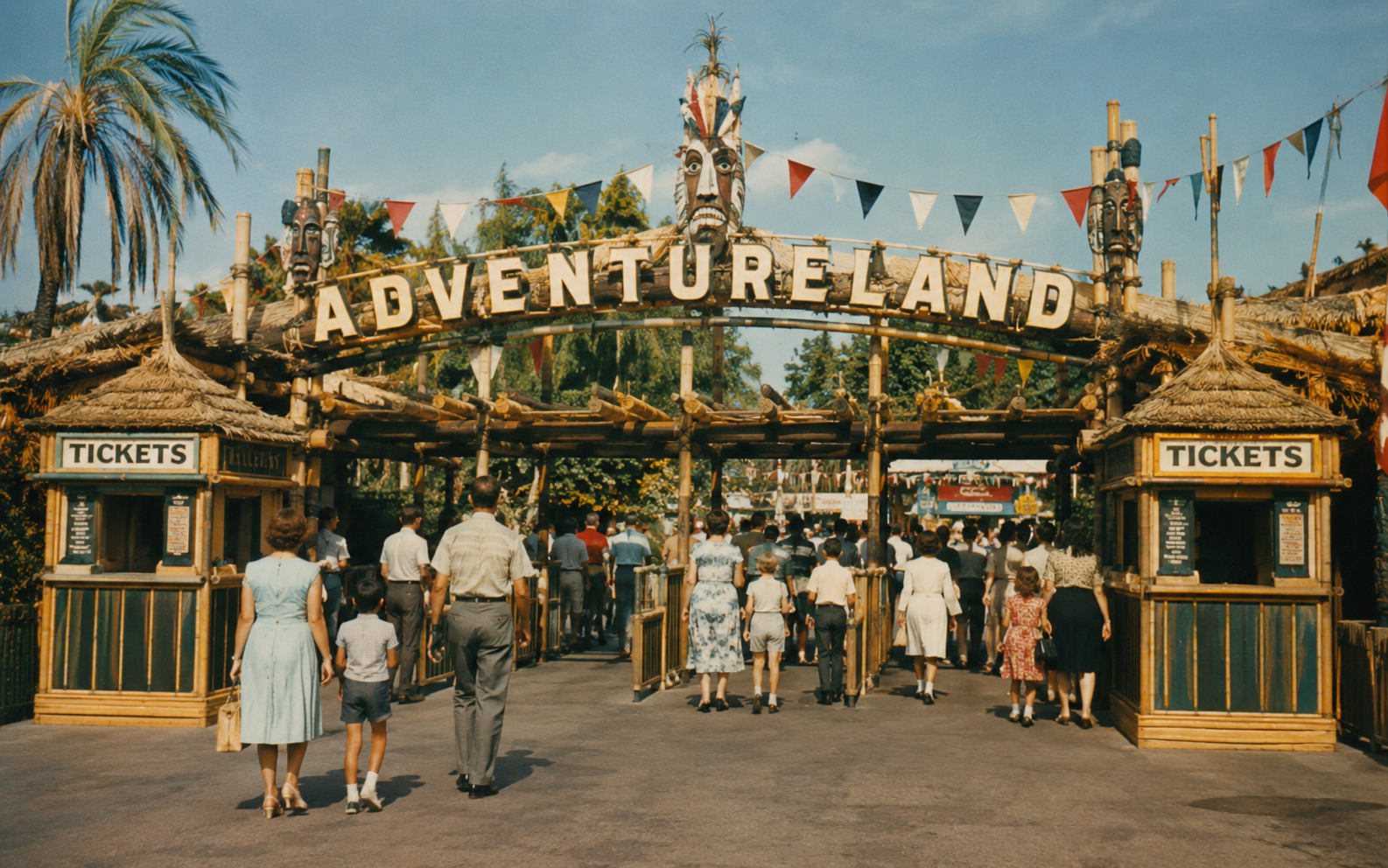
Disneyland opened in Anaheim, California, in July 1955, and nothing was ever quite the same. Walt Disney didn't just build rides — he built worlds. Main Street U.S.A., Adventureland, Tomorrowland. Each section told a story, and guests weren't just visitors — they were participants. The concept of a "theme" park, as opposed to an "amusement" park, was born overnight.
The Boom Years
The 1960s and 70s saw an explosion of imitators and innovators. Six Flags Over Texas opened in 1961, bringing regional theme parks to audiences who couldn't make the trip to California. Busch Gardens followed, blending wildlife with rides in a way nobody had tried before. Cedar Point, already a seaside amusement park since 1870, reinvented itself with record-breaking roller coasters that drew enthusiasts from around the world.
Across the Atlantic, Alton Towers transformed a stately home's gardens into Britain's answer to the American theme park. Europe developed its own style — more compact, more whimsical, often tucked into historic landscapes. Efteling in the Netherlands leaned into fairy tales. Tivoli Gardens in Copenhagen combined amusement rides with concert halls and fine dining. The golden age wasn't confined to one country — it was a global phenomenon.
What Made It Special
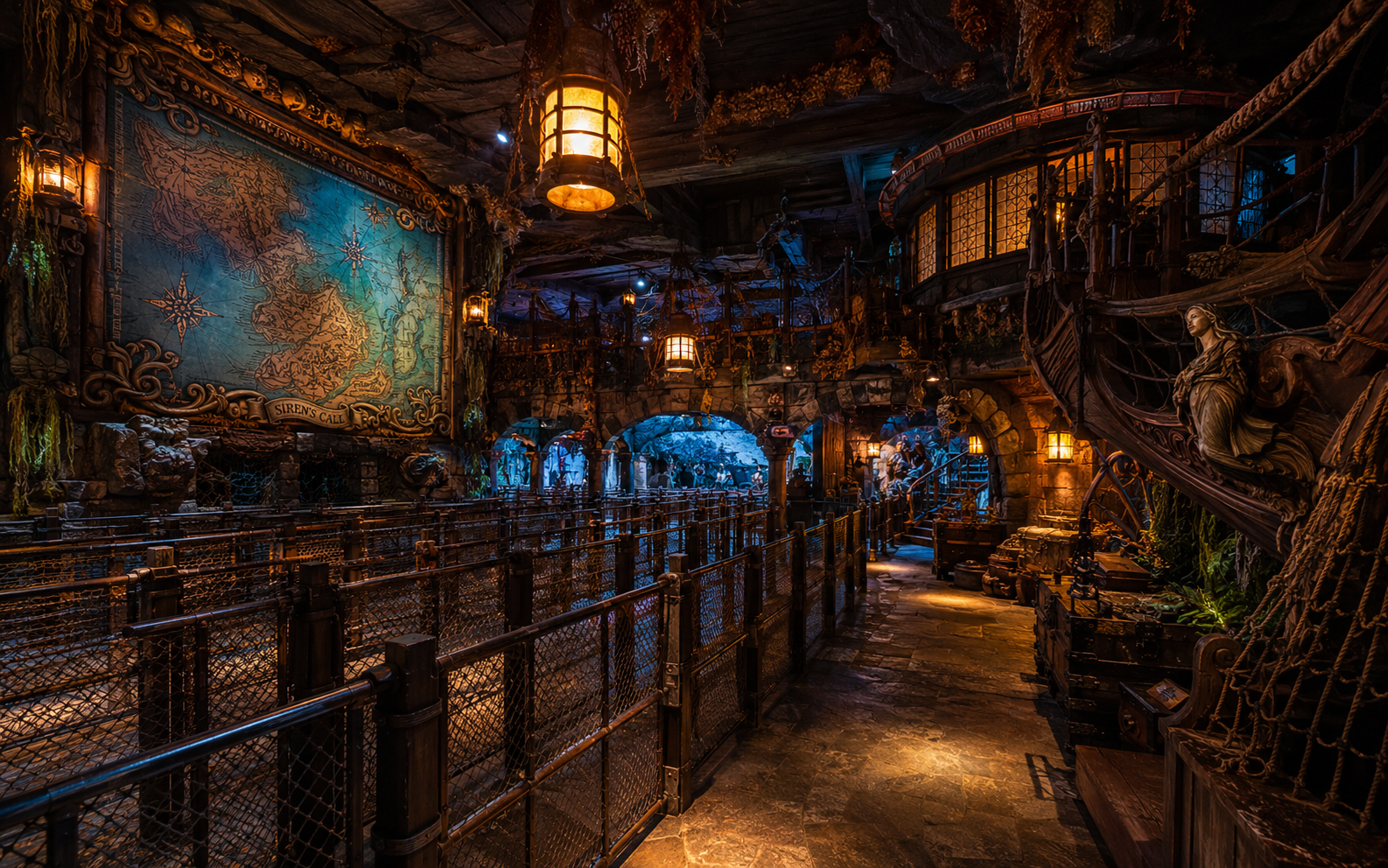
The parks of this era shared something that's harder to find today: a sense of genuine surprise. There was no YouTube, no social media previews, no construction update blogs. You walked through the gates and discovered everything in real time. Animatronic pirates, spinning teacups, log flumes through painted mountains — each attraction was a revelation.
Designers from this period — known as Imagineers at Disney, though every company had their own creative teams — worked with physical models and hand-drawn blueprints. There were no computer simulations. If a ride didn't feel right, they rebuilt it by hand. That craftsmanship is visible in parks that have preserved their original attractions. The Matterhorn Bobsleds at Disneyland still carry the fingerprints of artists who sculpted every rock face.
A Legacy That Endures
Today's theme parks owe everything to those pioneering decades. The principles established between 1955 and 1985 — storytelling through environment, emotional pacing, the importance of transitions between zones — remain the foundation of modern park design. Universal Studios, Shanghai Disneyland and even newer players like Motiongate Dubai all build on ideas that were first sketched on napkins in mid-century California.
The golden age wasn't just about rides. It was about the radical idea that a day out could be more than a series of thrills — it could be a story you walked through, a memory you carried home, and a reason to come back. That idea hasn't aged a day.