The Next Frontier
Theme parks have always been in the business of immersion. From the moment Walt Disney imagined Disneyland as a place you could physically step into a story, the industry has pushed the boundaries of what's possible with physical space, mechanical engineering and human imagination. But the next decade is set to transform the concept of immersive entertainment in ways that would astonish even Disney's original Imagineers.
The convergence of virtual reality, augmented reality, artificial intelligence and advanced animatronics is creating a new category of experience that blurs the line between the physical and digital worlds. These aren't future concepts sitting in research labs — they're either already in parks or entering final development. The future of immersive entertainment is closer than you think.
Virtual and Augmented Reality in Parks
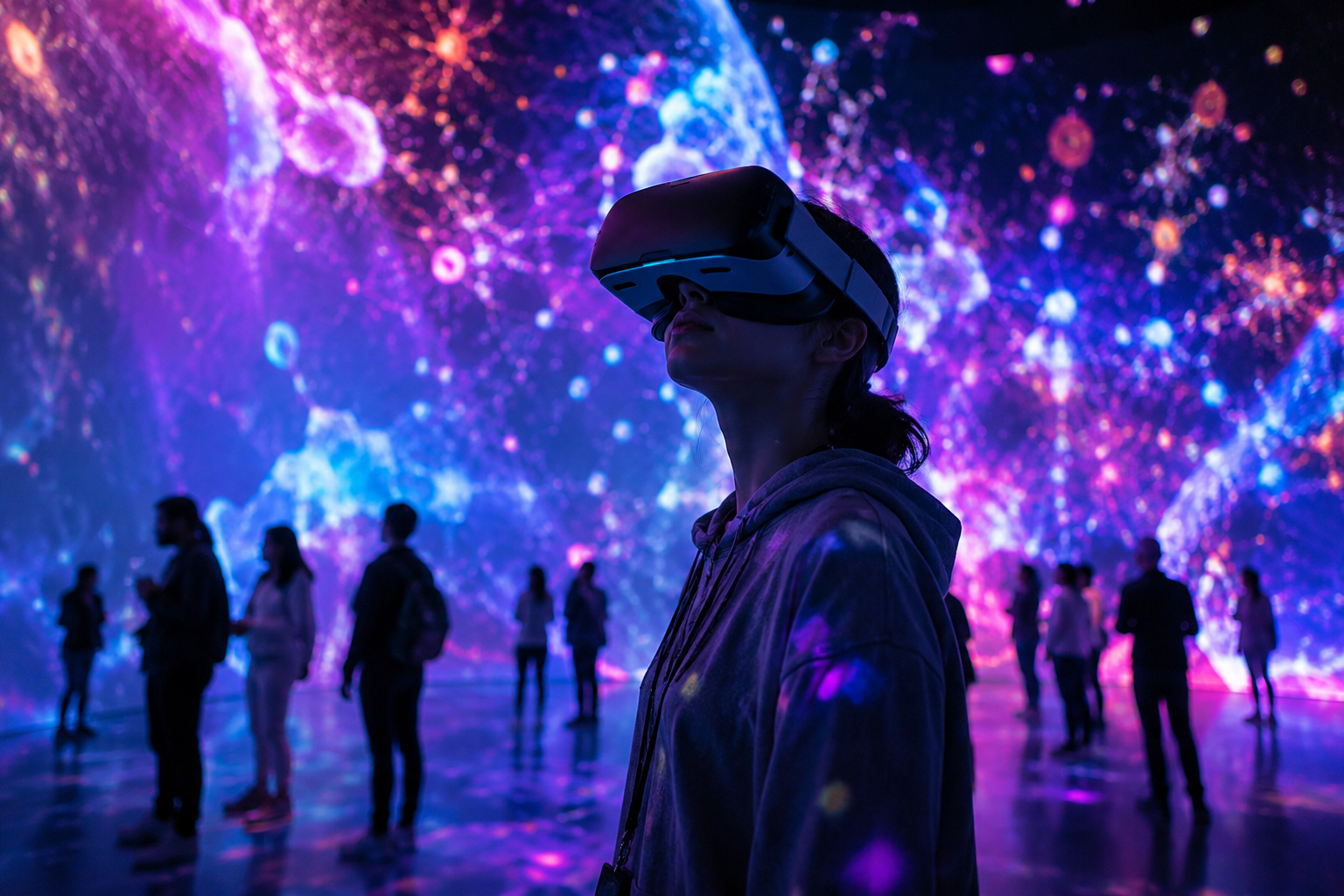
VR headsets on roller coasters were an early experiment that produced mixed results — motion sickness, hygiene concerns and the isolation of wearing a headset while surrounded by other people. But the technology has matured. Newer systems use lightweight, breathable headsets with latency so low that motion sickness is virtually eliminated. Some parks are testing headset-free AR, using projection mapping and spatial audio to overlay digital elements onto physical environments without any wearable technology at all.
The most exciting applications aren't about replacing physical rides with digital ones — they're about enhancing the physical world. Imagine a dark ride where the physical sets around you shift and change based on choices you make. Imagine a walk-through attraction where AI-driven characters recognise you, remember your name and adapt their dialogue to your reactions. These aren't hypothetical — Disney's Galactic Starcruiser experiment, despite its commercial challenges, proved that audiences will pay for deeply personalised immersive storytelling.
AI-Driven Storytelling
Artificial intelligence is perhaps the most transformative technology for immersive entertainment. Current theme park rides deliver the same experience to every guest, every time. AI has the potential to change that fundamentally. Attractions could adapt in real time to the size of a group, the age of participants, their expressed preferences and even their emotional responses. A horror attraction could dial up the intensity for thrill-seekers and dial it down for nervous visitors. A fantasy quest could branch into dozens of unique storylines based on participant decisions.
Character interaction is another area ripe for AI transformation. Current meet-and-greet characters follow scripted interactions with limited improvisation. AI-powered animatronic characters could hold genuine conversations, tell personalised jokes and create unique moments for every guest. The technology to do this already exists — the challenge is implementing it at scale while maintaining the emotional warmth that makes theme park characters beloved.
The Physical Still Matters
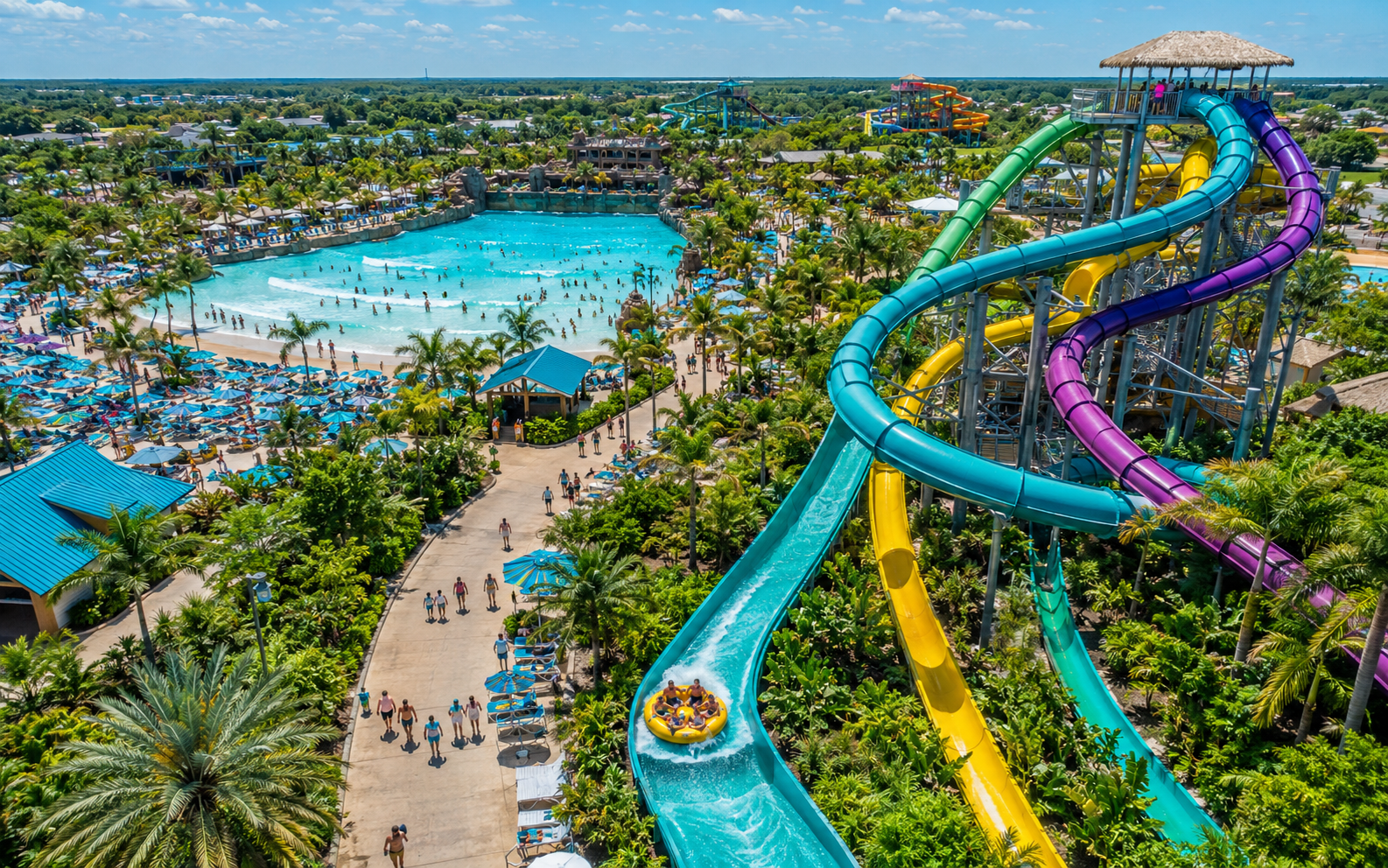
For all the excitement about digital technology, the future of immersive entertainment isn't purely virtual. Physical sensations — the G-forces of a coaster, the spray of water on a log flume, the smell of popcorn, the heat of a fire effect — engage the senses in ways that screens cannot. The most successful immersive experiences of the future will combine physical and digital elements so seamlessly that guests can't tell where one ends and the other begins. That's the real frontier: not replacing reality, but augmenting it so convincingly that the line disappears entirely.