The Cost Problem
A day at a major theme park can cost a family of four well over 500 dollars before you've bought a single churro. Gate tickets, parking, food, drinks, souvenirs and the increasingly common paid fast-pass systems add up with alarming speed. For many families, a theme park trip is the most expensive single-day outing of the year — and the pressure to make it "worth it" can turn a fun day into a stressful financial exercise.
But here's the thing: you don't have to spend a fortune to have an incredible time. With a bit of planning, some flexibility on dates and a willingness to skip a few overpriced extras, you can cut your theme park costs dramatically without sacrificing the experience. The families who visit parks every year aren't all wealthy — they're just strategic.
Tickets and Timing
The single biggest saving comes from buying tickets at the right time. Most major parks offer significant discounts for advance online purchases — sometimes 20 to 30 percent off gate prices. Multi-day tickets offer better per-day value, and some parks sell afternoon-entry tickets at reduced rates. If you're flexible on dates, midweek visits are almost always cheaper and less crowded than weekends or school holidays.
Annual passes deserve serious consideration if you live within driving distance. A family annual pass to a park like Alton Towers or Cedar Point can pay for itself in two visits, and it often includes perks like free parking, food discounts and exclusive event access. Season passes to regional chains like Merlin or Six Flags cover multiple parks, turning a single purchase into a year of entertainment.
Food and Drink
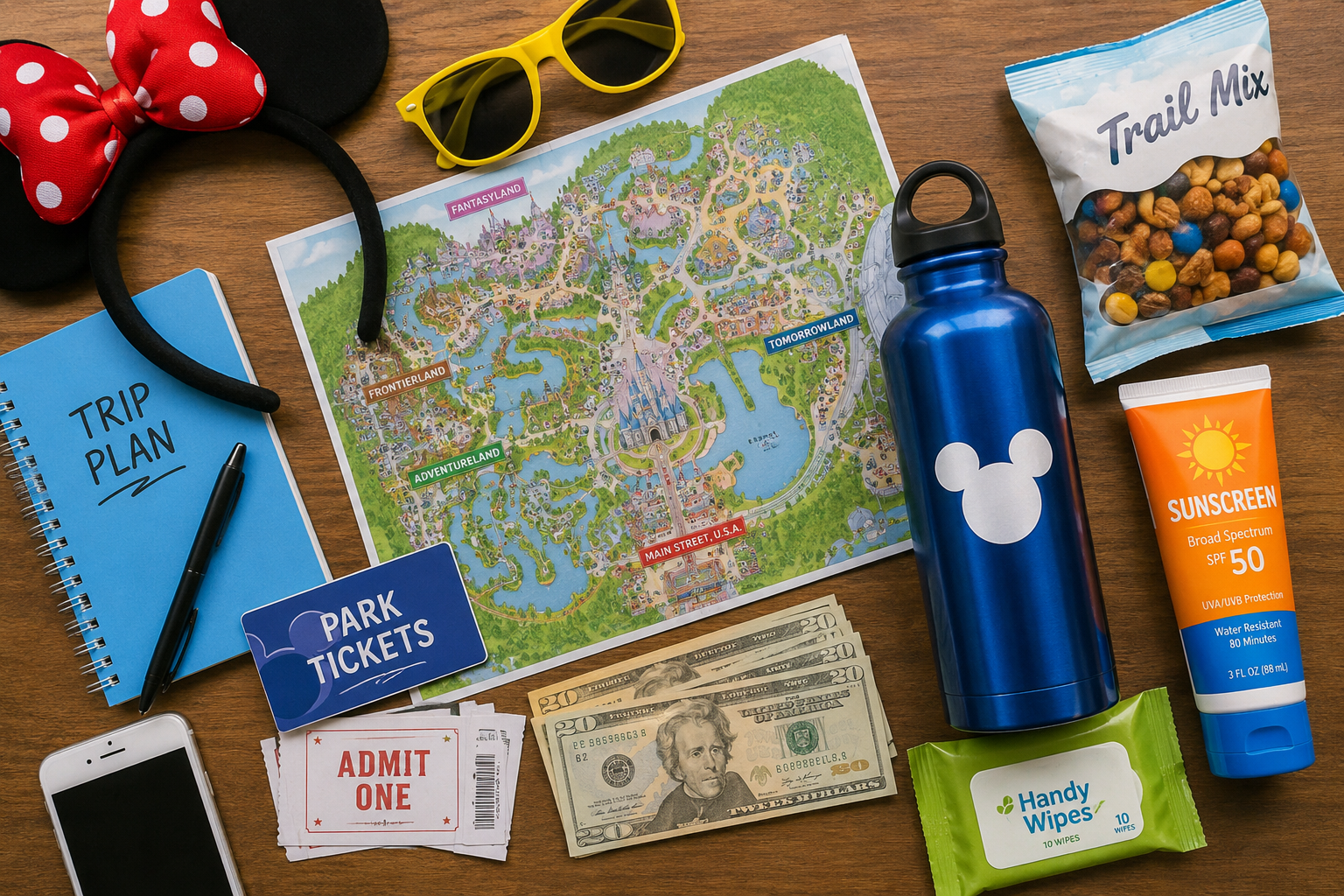
Park food is where budgets go to die. A burger, chips and a drink inside a major theme park can easily cost 20 dollars per person. The simplest solution is to bring your own food — many parks allow outside food and drink, though the rules vary. Pack sandwiches, fruit, snacks and refillable water bottles. If the park doesn't allow outside food, eat a big breakfast before you arrive and plan to eat your main meal after you leave.
Some parks offer dining plans that provide better value than buying meals individually. Disney and Universal both sell meal deals that, if you're strategic about which meals you use them for, can save 30 percent over a la carte ordering. The key is doing the maths before you buy — dining plans only save money if you'd actually spend more without them.
Skip the Extras, Keep the Magic
Theme parks are designed to separate you from your money at every turn. Photo packages, character meet-and-greets with professional photographers, premium seating at shows, locker rentals, interactive wand experiences — each one costs 15 to 50 dollars, and they add up fast. The secret is deciding in advance which extras matter to your family and which don't.
Bring your own poncho instead of buying one for 12 dollars at the water ride. Use your phone for photos instead of buying the on-ride shots. Pack a small bag so you can skip locker fees. Watch the parade from a free spot instead of paying for reserved viewing. These small decisions compound across a full day, saving 50 to 100 dollars without diminishing the experience. The rides are the same whether you spent 200 or 600 on the day. The memories don't cost extra.